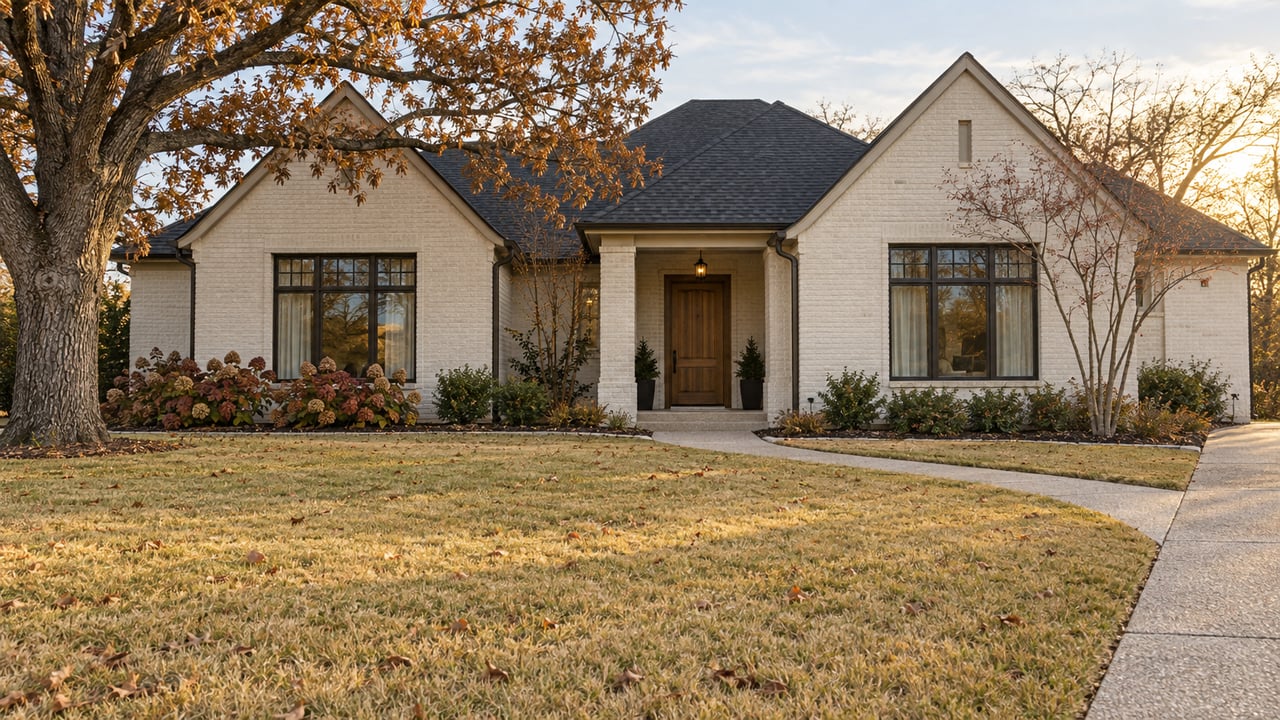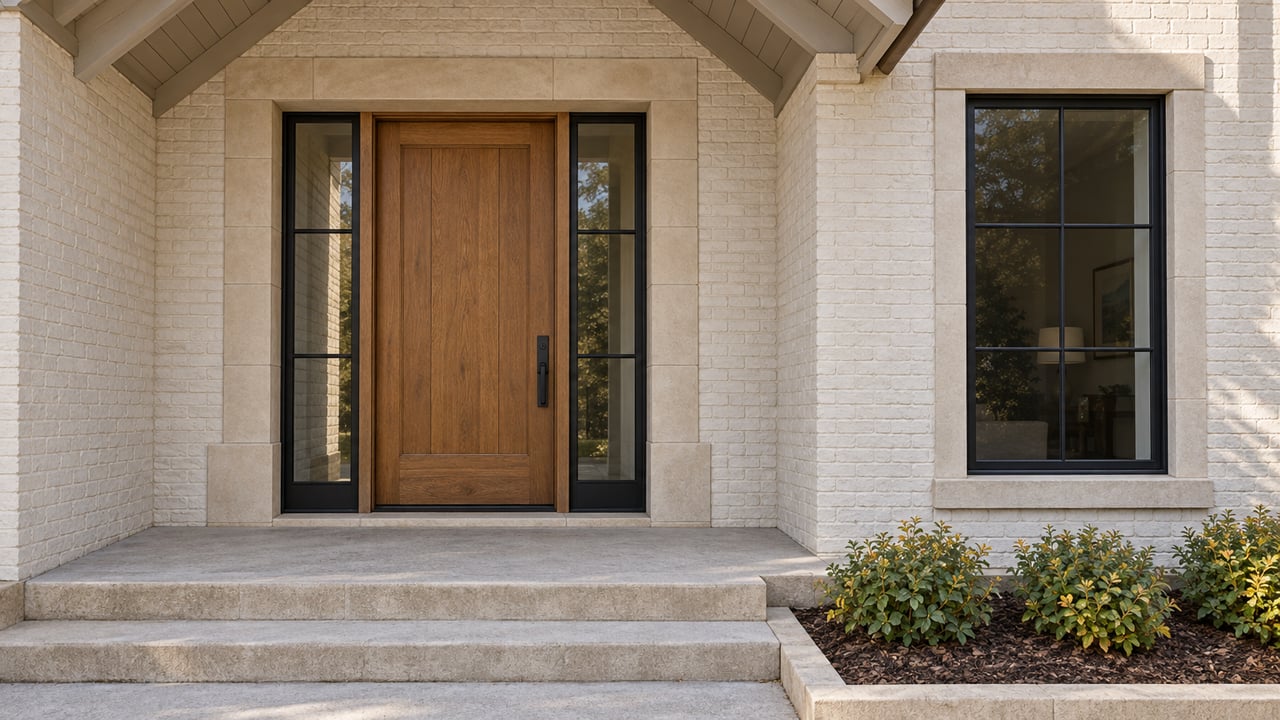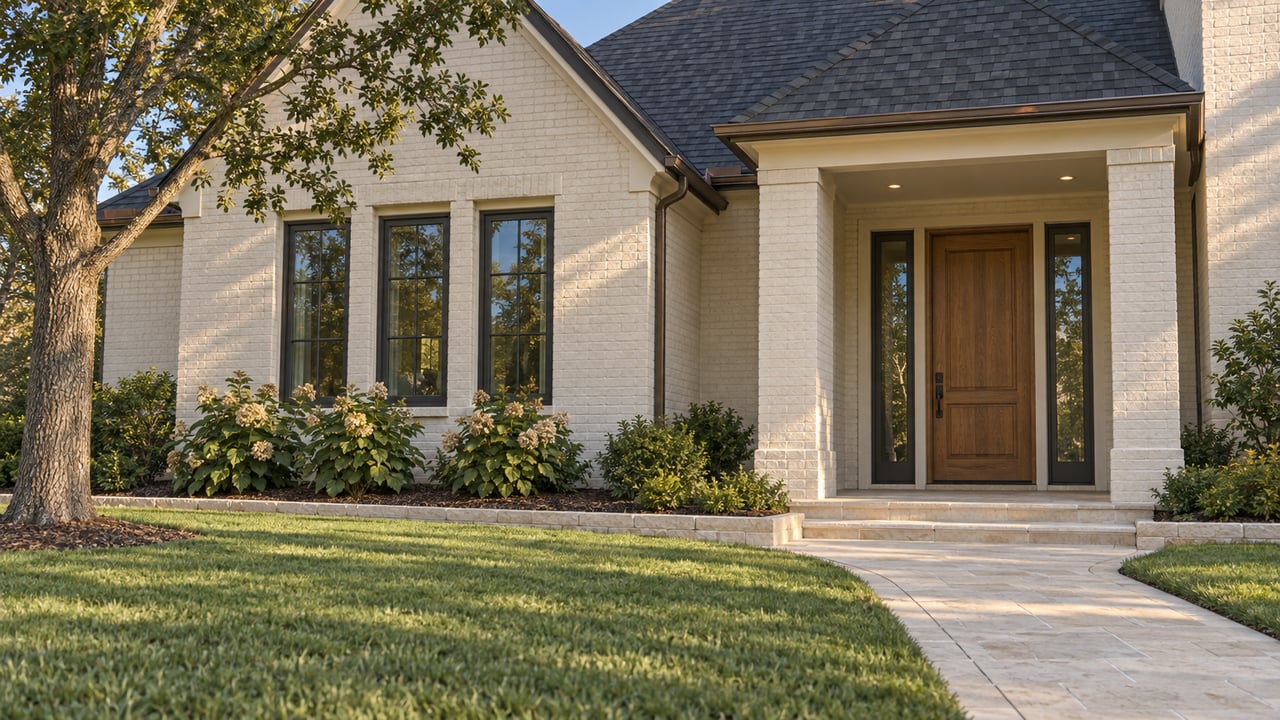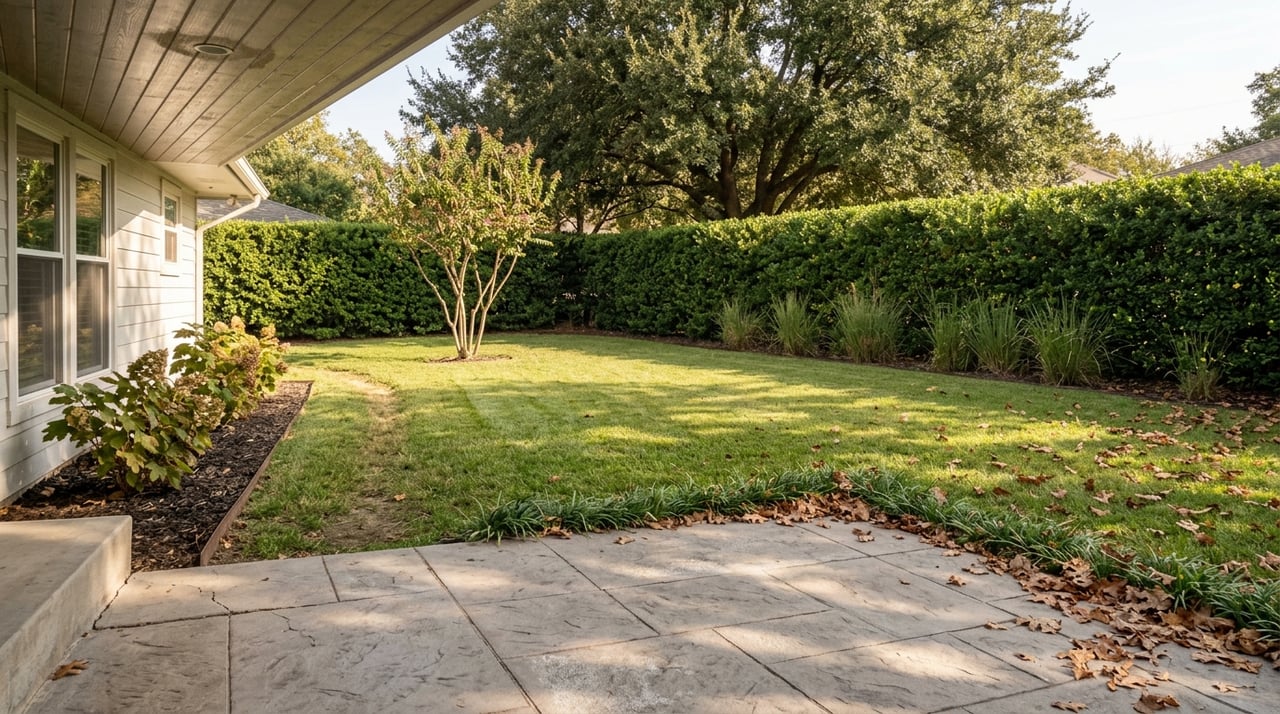
Two listings land in the same saved search this month, both hovering near $340,000. One sits in a new-construction community south of the Creek Turnpike, drywall finished, sod not yet down. The other is a resale a few miles away in an established Broken Arrow neighborhood, twenty years old, freshly painted, ready to close in six weeks. On paper they're the same price. In practice, a buyer comparing them is comparing two different financial products wearing the same sticker.
That gap is the thing worth understanding before you tour either one.
The builder's playbook has changed the meaning of "list price"
Since mortgage rates surged in 2022, homebuilders nationally have leaned hard on a specific approach: instead of cutting the price on a home, they buy down the buyer's mortgage rate or hand over cash toward closing costs. The base price stays put. The buyer's monthly payment drops anyway.
The scale of this shift is no longer subtle. The NAHB/Wells Fargo Housing Market Index found that 63% of builders were using sales incentives in July 2026, the sixteenth consecutive month that figure sat at 60% or higher. PulteGroup, one of the country's largest builders, ran incentives at 10.9% of its gross sales price in the first quarter of 2026, more than three times the historical norm of 3% to 3.5%. Research firm John Burns Research and Consulting puts the combined value of rate buydowns, closing-cost credits, and design allowances at roughly 7% to 8% of new-home sale prices industry-wide.
In April 2026, the median price of a newly built home in the United States dipped below the median price of an existing home for the first time in five decades of record-keeping, a gap of roughly $1,400 in the new home's favor.
There's a reason builders prefer this over a direct discount. Analysts at the American Enterprise Institute have pointed out that a 100 basis point rate reduction costs a builder roughly 3.2% of the sale price to fund, while achieving the same monthly payment through an outright price cut would cost them closer to 10%. A direct price cut can affect comparable sales in a subdivision, while a rate buydown can preserve the listed price.
What that looks like south of the Creek Turnpike
Broken Arrow's new-construction activity has concentrated heavily in the corridor south of the Creek Turnpike, where builders have been steadily filling in new subdivisions. If you've been touring new construction in the city, there's a decent chance you've walked through one of these:
- Stone Wood Hills II, near the Hillside Drive retail corridor
- Honey Springs at Battle Creek, tucked between 145th and 41st Street, roughly a ten-minute drive from the Rose District
- Ironwood, positioned between 145th and 177th off 51st Street
- Whiskey Ridge, at 31st Street and County Line Road
- East Village, sitting in the Coweta school district near the Muskogee Turnpike interchange
Builders in these communities are using the incentives described above. The list price you see on a floor plan is rarely the number a serious buyer actually negotiates. What moves is the rate, the closing credit, or the design center allowance bundled into the offer. A builder may be more willing to apply $15,000 toward a rate buydown or closing costs than to reduce the base price by that amount.
That flexibility comes with two costs that don't show up on the price sheet. New construction in the Tulsa metro has generally been running six to ten months from contract to completion, a real constraint if you're working around a lease expiration or a job start date. And lot premiums for corner or cul-de-sac positions can add another $5,000 to $15,000 on top of the base price, before you've touched a single upgrade at the design center.
The growth pulling builders into this corridor isn't slowing. A new retail development called Hackberry Market is going in at the northeast corner of Aspen Avenue and Tuscon Street, just off the Creek Turnpike in south Broken Arrow, with an opening targeted for late 2026. New rooftops tend to follow new retail, and new retail tends to follow rooftops. This part of the city is building both at once.
The established side of town plays a different game entirely
Drive north toward Downtown Broken Arrow and the Rose District, or into an established neighborhood like Battle Creek, Wolf Creek Estates, or Indian Springs Estates, and the negotiation dynamic flips. These homes were built years ago. An individual seller is not a production builder managing a subdivision full of future comps. If a buyer wants $10,000 off, that conversation can happen on the price itself, not on a financing workaround.
The price spread across these neighborhoods is wide enough that it tells its own story. Homes near the Rose District have recently carried a median close to $250,000. Battle Creek has traded closer to $370,000. Wolf Creek Estates and Indian Springs Estates have both sat in the $320,000 to $325,000 range. Broken Arrow is a big enough city that its oldest blocks and its newest subdivisions barely resemble each other, and that spread shows up in the price sheet before a single new-construction incentive ever enters the conversation.
Resale also moves faster. A home in an established neighborhood typically closes in 30 to 45 days, a fraction of the new-construction timeline. If speed matters more than customization, that alone can decide the comparison.
What this actually means when you're comparing two listings
The mistake is treating the number on the sign as the whole answer. A more useful question is what kind of deal is actually on the table.
If a builder's incentive package includes a permanent rate buydown, that's real, durable value. A rate locked lower for the life of the loan can save tens of thousands of dollars over thirty years, and it's worth taking seriously even if the base price looks high next to a comparable resale. If the incentive is a temporary 2-1 buydown instead, the savings are front-loaded and the payment jumps back to the full rate in year three, so the math only works if your income is rising to meet it.
On the resale side, the leverage runs through the price itself. A home that's sat on the market past 30 days, or one with visible condition issues, is where a buyer actually has room to negotiate the number rather than the financing wrapped around it.
None of this makes one path better than the other. It makes them different tools for different situations, and comparing their sticker prices without accounting for that difference is how a buyer ends up surprised at the closing table.
A few questions worth asking before you tour either type
Is new construction actually cheaper right now? Nationally, the median new-home price briefly dipped below the median existing-home price in April 2026. Builder incentives can add value beyond the sticker price. Locally in Broken Arrow, whether that holds depends heavily on which subdivision and which resale neighborhood you're comparing.
How do I compare a rate buydown to a straight price cut? Run both scenarios as a monthly payment and a total cash-to-close figure, not as a headline incentive number. A $20,000 incentive package sounds large until you know whether it's permanent or temporary, and whether it's tied to using the builder's preferred lender.
Why won't a builder just lower the price if I ask? A direct price reduction can affect comparable sales in a subdivision, while incentives can lower a buyer's costs without changing the listed price.
If you're weighing a new build south of the Creek Turnpike against something established near the Rose District or in one of Broken Arrow's older neighborhoods, the honest comparison takes more than a portal search filter set to the same price range. It takes someone who can read what each number is actually built on and tell you which deal fits the way you plan to buy.
That's the conversation worth having before you write an offer. Philip Shain works Broken Arrow and the surrounding Tulsa metro daily, on both sides of that divide, and can walk you through what a given price actually includes before you're standing in a design center signing off on upgrades you didn't plan to pay for. Let's Connect.
This article is general information, not legal, tax or financial advice. Consult a qualified professional about your situation.