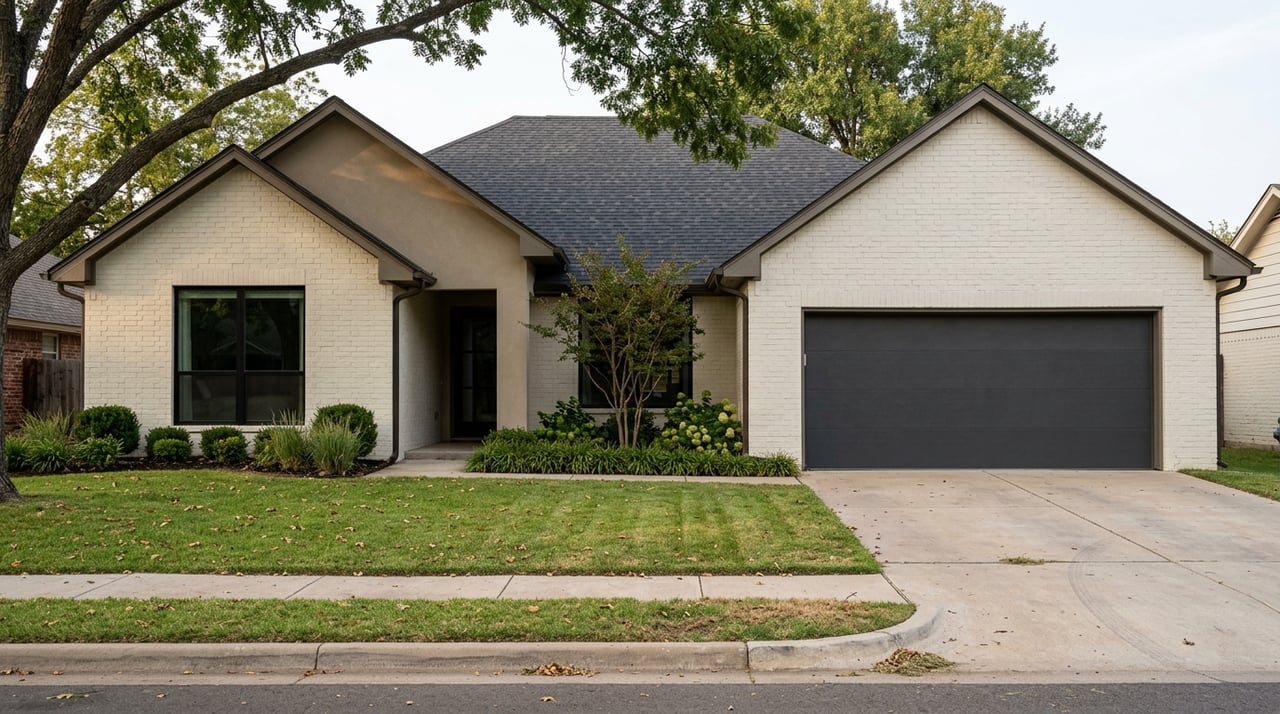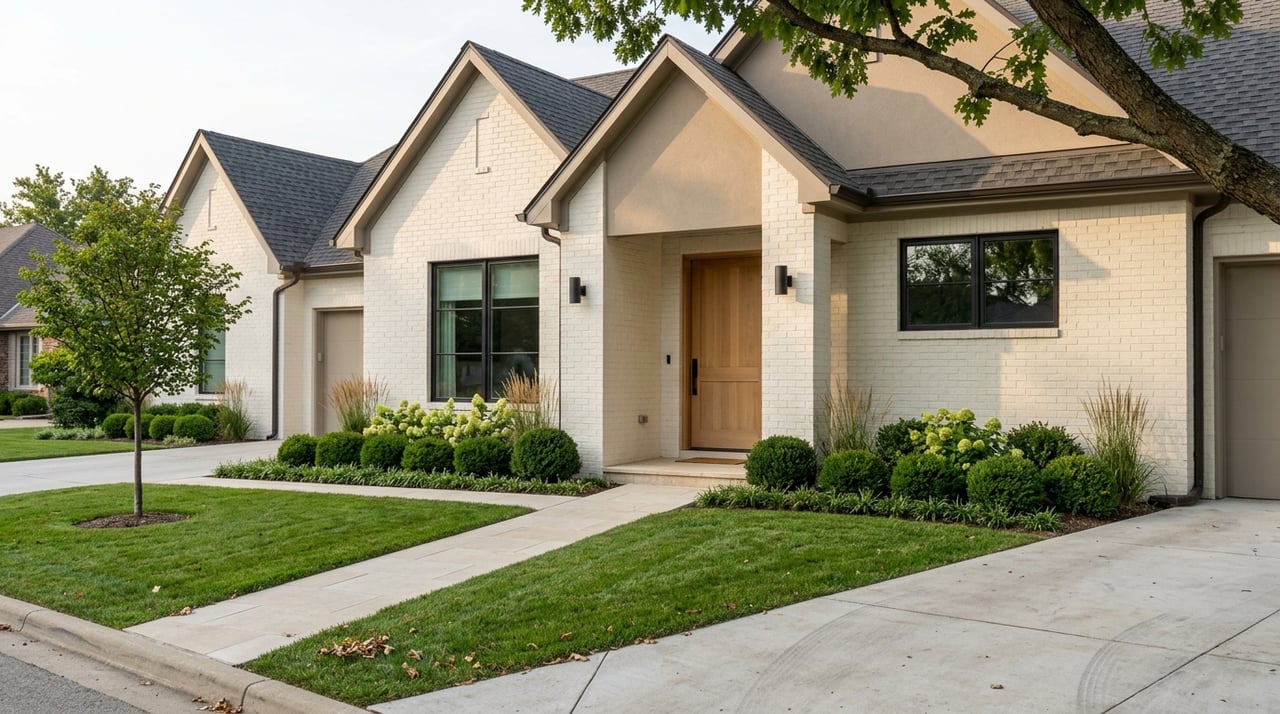
If you are trying to sell your current home and buy your next one in Jenks, timing can feel like the hardest part. You want to protect your equity, avoid unnecessary stress, and move with confidence instead of guessing your way through two major transactions at once. The good news is that a seamless move-up sale is possible with the right plan, clear communication, and a strategy built for the local market. Let’s dive in.
Why move-up planning matters in Jenks
Jenks is moving at a fairly active pace, which can create both opportunity and pressure for move-up buyers and sellers. Recent market data shows a median sale price of $390,516 and about 34 median days on market for homes sold in the three months ending May 2026, while another major housing source reports homes going pending in around 14 days as of late May 2026.
Those numbers measure different parts of the process, but they point in the same direction. If you are planning a move-up sale in Jenks, you should prepare for a relatively fast timeline rather than assuming you will have months to make decisions.
Start with your full financial picture
A move-up sale works best when your sale plan and purchase plan are built together. Mortgage rates affect what you can comfortably afford, and even small changes can impact your monthly payment and cash to close.
As of June 25, 2026, Freddie Mac reported the average 30-year fixed mortgage rate at 6.49%. Because rates can change daily, it is smart to keep your financing expectations current while you prepare your home for sale and evaluate your next purchase.
This is one reason many homeowners choose to sell first. Once your current home is under contract, you have a clearer picture of your likely proceeds, down payment, and price range for the next home.
Sell first or buy first?
For many Jenks homeowners, selling first is the lower-risk path. It helps you understand your numbers before you write an offer on your next home, which can reduce the chance of stretching too far or making assumptions about your net proceeds.
Buying first can still work in some situations, but it usually requires more financial flexibility and more risk tolerance. If your current home has not sold yet, you may be trying to manage two timelines at once while also facing uncertainty about your final sale price and closing date.
When a home-sale contingency may help
If you need the equity from your current home to buy the next one, a home-sale contingency may be part of the strategy. This type of contingency can protect you, but it can also make your offer less attractive to a seller, especially in a competitive market.
Contingencies are normal, and financing and inspection contingencies are common. Still, the more conditions attached to an offer, the more carefully you need to think through timing, communication, and backup plans.
Build your Jenks sale timeline early
One of the best ways to create a smoother move-up experience is to map out the sequence before your home goes live. That means thinking beyond listing day and preparing for contract deadlines, inspections, closing costs, and your actual move.
In Oklahoma, the current residential sale form states that earnest money is due within three days after the contract is fully executed unless the parties agree otherwise. The form also sets the inspection and review period at 10 days after the Time Reference Date if that section is left blank.
During that inspection period, a buyer can cancel and receive earnest money back if inspections are unsatisfactory. For you, that means the first week and a half after accepting an offer is especially important, because it can shape whether your sale stays on track.
A practical move-up sequence
A simple planning sequence often looks like this:
- Review your finances and likely budget for the next home.
- Prepare and price your current Jenks home.
- List with a strategy based on recent local comparables.
- Accept an offer with terms that fit your move timeline.
- Begin or narrow your home search with clearer numbers.
- Coordinate inspections, closing details, and moving logistics.
This kind of structure helps reduce last-minute decisions. It also gives you a better chance of keeping both transactions aligned.
Prepare your current home to sell well
Presentation matters, especially when you are counting on your current sale to support the next purchase. A clean, well-prepared home helps buyers focus on the space itself instead of distractions.
A strong prep plan usually includes:
- Deep cleaning
- Decluttering
- Repairing visible issues
- Staging rooms so buyers can picture everyday living there
Pricing matters just as much as presentation. In a move-up sale, overpricing can create delays that ripple into your purchase timeline, while strategic pricing based on recent Jenks comparables can help you attract serious interest sooner.
If a home sits too long, it may be time to adjust the price or offer incentives. The longer a property stays on the market, the harder it can become to maintain momentum.
Understand Oklahoma disclosure requirements
If you have lived in your home or know about a defect, Oklahoma rules are especially important. The Oklahoma Real Estate Commission says sellers in that position must provide a Residential Property Condition Disclosure Statement.
The disclaimer form is not intended for owner-occupants who know the property’s condition. It is for sellers who have never occupied the property and have no actual knowledge of defects.
There is also a timing rule to keep in mind. The disclosure or disclaimer should not be more than 180 days old when the purchaser receives it.
Why this matters in a move-up sale
When you are juggling a sale and a purchase, paperwork can feel secondary. In reality, clean documentation early in the process can help prevent avoidable delays once you are under contract.
OREC also provides a Property Data Form for listing preparation and a Wire Fraud Advisory. Both can be helpful when you are managing two transactions and multiple deadlines at once.
Plan for closing costs and net proceeds
Many move-up decisions come down to one question: how much cash will you actually have available for the next purchase? That is why net proceeds should be estimated early, not days before closing.
Under the Oklahoma residential contract, the buyer pays the buyer’s closing fee and recording fees. The seller pays the required documentary stamps, the seller’s closing fee, and any seller recording fees.
Oklahoma documentary stamp tax is charged when the deed is filed with the county clerk. The rate is 75 cents per $500 increment or fraction of value conveyed.
Knowing these costs in advance helps you plan your down payment, reserves, and moving budget with fewer surprises.
Keep communication tight between every party
A smooth move-up sale is rarely about one big moment. More often, it comes down to how well the details are managed from start to finish.
Your agent, lender, title company, and mover should be aligned before your current home goes under contract. Oklahoma’s residential contract recognizes electronic signatures and electronic delivery methods such as email and uploaded notices, which can help keep everything moving efficiently when timing is tight.
That said, speed only helps if communication is disciplined. Quick responses, clear expectations, and careful tracking of deadlines can make a major difference when two closings are connected.
Protect yourself during the final stretch
As closing approaches, small details matter more, not less. Buyers should complete a final walk-through before signing and review closing documents carefully.
If anything looks different than expected, speak up right away with your agent, settlement agent, or lender. Closing also involves third-party services like title insurance and settlement support, so those relationships should be established early in the process.
For move-up sellers, this final stretch is also when moving logistics become real. Utility transfers, packing schedules, possession timing, and access arrangements should all be coordinated well before closing week.
If timing around school matters
Some households plan their move around the academic calendar. If that is part of your decision-making, Jenks Public Schools publishes instructional calendars and attendance-zone information that can help you think through closing dates and move timing in a practical, organized way.
That kind of planning does not change the market, but it can help you choose a timeline that fits your household’s routine more comfortably.
A seamless move-up sale starts with strategy
The biggest mistake in a move-up sale is treating the sale and purchase like separate events. In a market like Jenks, where homes can move quickly, the better approach is to build one connected strategy that covers pricing, preparation, financing, timing, disclosures, and closing logistics from the start.
When you know your numbers, prepare your home well, and stay ahead of deadlines, you put yourself in a much stronger position to move with confidence. If you are planning a move-up sale in Jenks and want a clear, well-managed plan, connect with Philip Shain for thoughtful guidance and polished execution.
FAQs
How fast are homes selling in Jenks right now?
- Recent market data suggests Jenks is moving at a relatively active pace, with about 34 median days on market for closed sales and some homes going pending in around 14 days, depending on the data source and timing measured.
What is the lower-risk move-up strategy for Jenks homeowners?
- Selling your current home before buying the next one is often the lower-risk path because it gives you a clearer picture of your proceeds, down payment, and monthly payment before you make a purchase offer.
What is the inspection period in an Oklahoma home sale contract?
- Under the current Oklahoma residential sale form, the inspection and review period is 10 days after the Time Reference Date if that section is left blank.
When is earnest money due in an Oklahoma real estate contract?
- The current Oklahoma residential sale form states that earnest money is due within three days after the contract is fully executed unless the parties agree otherwise.
Do owner-occupants in Oklahoma need a property disclosure?
- If you have occupied the property or know of a defect, Oklahoma rules say you must provide a Residential Property Condition Disclosure Statement rather than using the disclaimer form intended for non-occupant sellers without actual knowledge of defects.
What closing costs should Oklahoma sellers plan for in a move-up sale?
- Oklahoma sellers generally pay the required documentary stamps, the seller’s closing fee, and any seller recording fees, so it is wise to estimate those costs early when planning your next purchase.