If you are comparing Owasso to the rest of the Tulsa metro, the biggest question is usually simple: what do you get here that feels different from Tulsa, Broken Arrow, Jenks, or Bixby? That matters whether you are buying your next home, planning a move-up purchase, or deciding how to position your current property for sale. In this guide, you will get a clear, practical look at where Owasso sits on price, housing type, inventory, and everyday access so you can make a more confident decision. Let’s dive in.
Where Owasso Fits in Tulsa Metro
Owasso sits in the north-metro suburban ring, about six miles north of Tulsa’s city limits, with US-169 running through the city. Local materials also place it within minutes of Tulsa International Airport and the Port of Catoosa, and about 10 minutes from I-44. That gives Owasso a strong position for buyers who want suburban living with efficient access to major parts of the metro.
From a market standpoint, Owasso lands in a middle-to-upper suburban tier. It is priced above Tulsa and Broken Arrow, but below Jenks and Bixby. That makes it a useful option if you want something more suburban and detached-home oriented than Tulsa, without reaching the higher pricing seen in some south-metro markets.
How Owasso Compares on Price
Home values are one of the fastest ways to understand how markets differ across the metro. Based on the research report, Owasso’s typical home value is $315,428. That places it between the more affordable end of the metro and the higher-priced suburban markets.
Here is the price lineup across several major Tulsa-area markets:
| Market | Typical Home Value |
|---|---|
| Tulsa | $217,450 |
| Broken Arrow | $286,846 |
| Owasso | $315,428 |
| Bixby | $331,056 |
| Jenks | $352,171 |
For buyers, that means Owasso often reads as a step up from Tulsa and Broken Arrow in price, but not the top of the suburban range. For sellers, it means Owasso can appeal to buyers looking for a balance between suburban feel, access, and pricing.
What Inventory Levels Suggest
Inventory helps show how much choice buyers may have and how much competition sellers may face. Owasso has 273 homes listed for sale in the data provided, which is far less than Tulsa’s 1,578 and below Broken Arrow’s 635. It is slightly above Bixby’s 258 and well above Jenks’s 142.
That smaller inventory count can shape the market experience in a few ways. Buyers may find fewer total options than they would in Tulsa or Broken Arrow, especially if they want a very specific lot size, floor plan, or location. Sellers, on the other hand, may benefit when well-prepared homes stand out in a market with limited supply.
Owasso’s Housing Style Is Distinctly Suburban
One of Owasso’s clearest differences is its housing mix. City housing data says about 75.9% of structures contain one unit, 22.8% contain two or more units, and 1.2% are mobile homes or other types. The city’s land-use planning also describes residential development as the predominant pattern, with most of that made up of detached single-family housing.
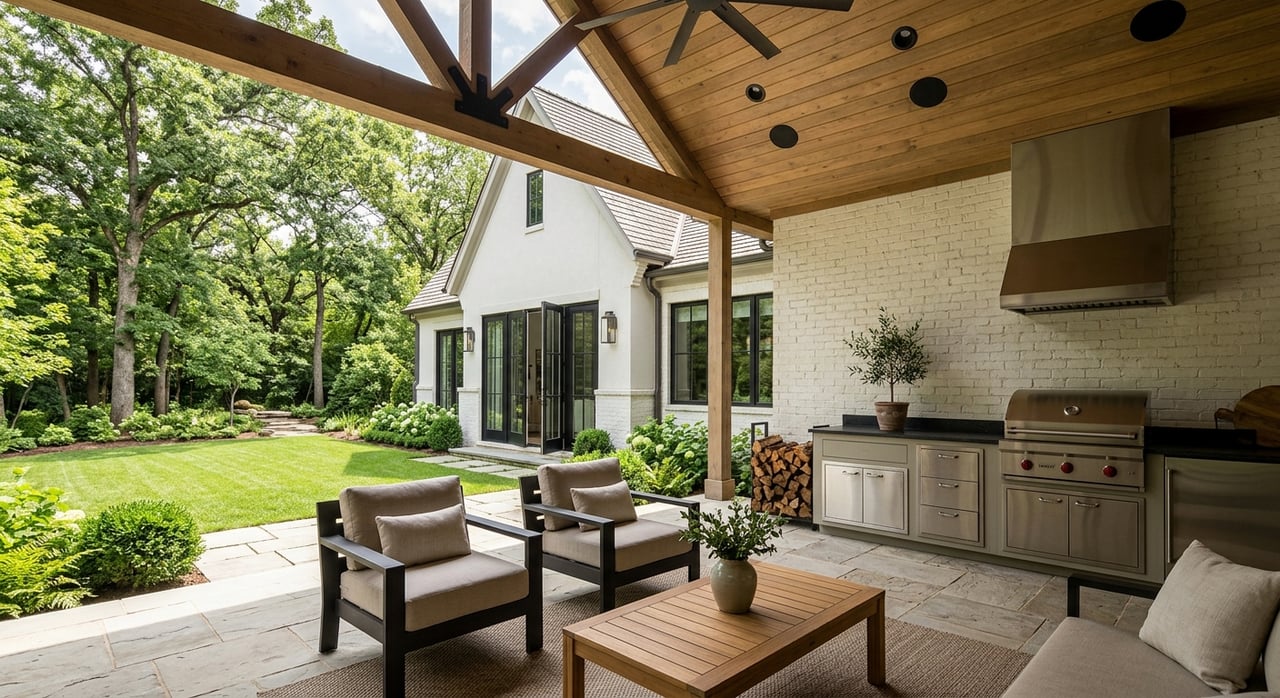
That matters because housing type affects how a market feels on the ground. In Owasso, the dominant experience is suburban and single-family. You will still find some variety, including duplexes and townhome-style options in certain planned settings, but the overall identity remains centered on detached homes.
How Owasso Differs From Tulsa
Tulsa offers a lower typical home value at $217,450 and a much larger pool of available homes. Planning materials also describe Tulsa as having a more mixed housing system, including both detached homes and multi-dwelling housing. In short, Tulsa gives buyers more variety in housing form and usually a lower entry price.
Owasso, by contrast, feels more consistently suburban. If you want a market where detached homes dominate and where the overall pattern is less mixed, Owasso offers a different experience. It also has a higher owner-occupied housing rate than Tulsa, at 63.5% compared with Tulsa’s 52.0%.
How Owasso Differs From Broken Arrow
Broken Arrow is probably Owasso’s closest comparison in terms of suburban form and commute profile. Broken Arrow’s typical home value is $286,846, which is below Owasso, and its mean travel time to work is 21.9 minutes, almost identical to Owasso’s 21.7 minutes. That makes the two markets feel similar in day-to-day function, even if their pricing is not the same.
The difference is that Broken Arrow is larger and has more inventory, with 635 homes for sale in the reported data. Its planning documents also describe a broad detached-home base with significant suburban subdivision development. Owasso still fits that suburban model, but often with a slightly higher price point and a tighter inventory pool.
How Owasso Differs From Jenks and Bixby
If you compare Owasso with Jenks and Bixby, the biggest difference is price and land-use intensity. Jenks has a typical home value of $352,171 and Bixby comes in at $331,056, both above Owasso. Their planning materials also lean more heavily toward low-density and large-lot detached development.
That does not mean Owasso lacks lot-size variety. It does mean Owasso tends to sit in a more flexible middle ground. You can think of it as a market that still feels suburban and detached-home focused, but with a broader range from estate-style lots to more conventional subdivision lots.
Lot Sizes and Development Range in Owasso
Owasso’s zoning code shows a meaningful spread in lot sizes for single-family housing. Minimum lot sizes range from 24,000 square feet in RE districts to 13,500 square feet in RS-1, 9,000 square feet in RS-2, and 7,000 square feet in RS-3. There are also smaller minimums in duplex and mobile-home districts.
For you as a buyer or seller, that range matters. It suggests Owasso is not only a large-lot market and not a high-density market either. Instead, it supports a mix that can include estate-style parcels, standard suburban neighborhood lots, and some denser planned products in select areas.
Why This Matters for Buyers
If you are buying in the Tulsa metro, Owasso can make sense when you want a strong suburban identity without pushing all the way to the highest suburban price points. The market sits above Tulsa and Broken Arrow in price, but below Jenks and Bixby. That can create an appealing middle ground for move-up buyers who want more space, a detached-home setting, and practical metro access.
You may also appreciate the balance of access and day-to-day convenience. Owasso is positioned on US-169, close to Tulsa’s northern edge, and local materials highlight quick access to the airport, the Port of Catoosa, and I-44. For many buyers, that combination supports both commute needs and long-term livability.
Why This Matters for Sellers
If you are selling in Owasso, your home is entering a market with a defined identity. Buyers often look here for suburban housing, detached-home neighborhoods, and a location that feels connected to Tulsa without being in the center of the city. That kind of clarity can help your home attract the right audience when pricing and presentation are handled well.
Owasso’s smaller inventory count can also work in your favor if your home is well prepared for market. In a market with fewer total listings than Tulsa or Broken Arrow, details matter. Clean presentation, strong positioning, and sharp negotiation can make a meaningful difference in how buyers respond.
Owasso’s Ownership Pattern Adds Context
Owasso’s owner-occupied housing rate is 63.5%. That is higher than Tulsa’s 52.0%, though lower than Broken Arrow, Jenks, and Bixby. This supports the idea that Owasso is meaningfully owner-occupied while still maintaining some rental supply.
For buyers, that can reinforce the sense of Owasso as a market oriented toward long-term ownership. For sellers, it helps explain why buyers may view the city as a stable suburban option within the broader metro. It is not the most owner-occupied market in the region, but it is clearly more ownership-oriented than Tulsa proper.
The Bottom Line on Owasso
Owasso compares well across the Tulsa metro if you are looking for a north-metro suburban market with mostly detached homes, moderate-to-upper suburban pricing, and practical access to the rest of the region. It sits above Tulsa and Broken Arrow on price, below Jenks and Bixby, and offers a housing pattern that is more suburban than Tulsa’s more mixed urban stock.
That combination is exactly why Owasso continues to attract buyers who want conventional suburban neighborhoods, a meaningful owner-occupied base, and room for a range of housing options over time. If you are weighing where to buy or how to position a home for sale, understanding that market identity is key.
If you want help comparing Owasso to the rest of the Tulsa metro, pricing a home, or planning your next move, Philip Shain offers the kind of local guidance, communication, and strategy that can make the process feel much more clear.
FAQs
How does Owasso home pricing compare with Tulsa metro cities?
- Owasso’s typical home value is $315,428, which is above Tulsa at $217,450 and Broken Arrow at $286,846, but below Bixby at $331,056 and Jenks at $352,171.
What kind of housing stock is most common in Owasso?
- Owasso is primarily a detached single-family housing market, with about 75.9% of structures containing one unit and city planning documents describing residential development as mostly detached homes.
Is Owasso more suburban than Tulsa?
- Yes. Based on the research report, Owasso has a more consistently suburban housing pattern, while Tulsa has a more mixed housing system with both detached and multi-dwelling housing.
How does Owasso compare with Broken Arrow for daily commute patterns?
- Owasso and Broken Arrow are very similar on commute time, with mean travel times to work of 21.7 minutes and 21.9 minutes, respectively.
Does Owasso offer different lot sizes and home settings?
- Yes. Owasso zoning allows a range of single-family lot sizes, from larger estate-style districts to more conventional suburban lots, which supports a broader set of housing options than a purely large-lot suburb.
Is Owasso a good fit for long-term homeowners in the Tulsa metro?
- Owasso’s 63.5% owner-occupied housing rate suggests a market with a meaningful ownership base, which can appeal to buyers looking for a suburban setting oriented toward long-term residence.