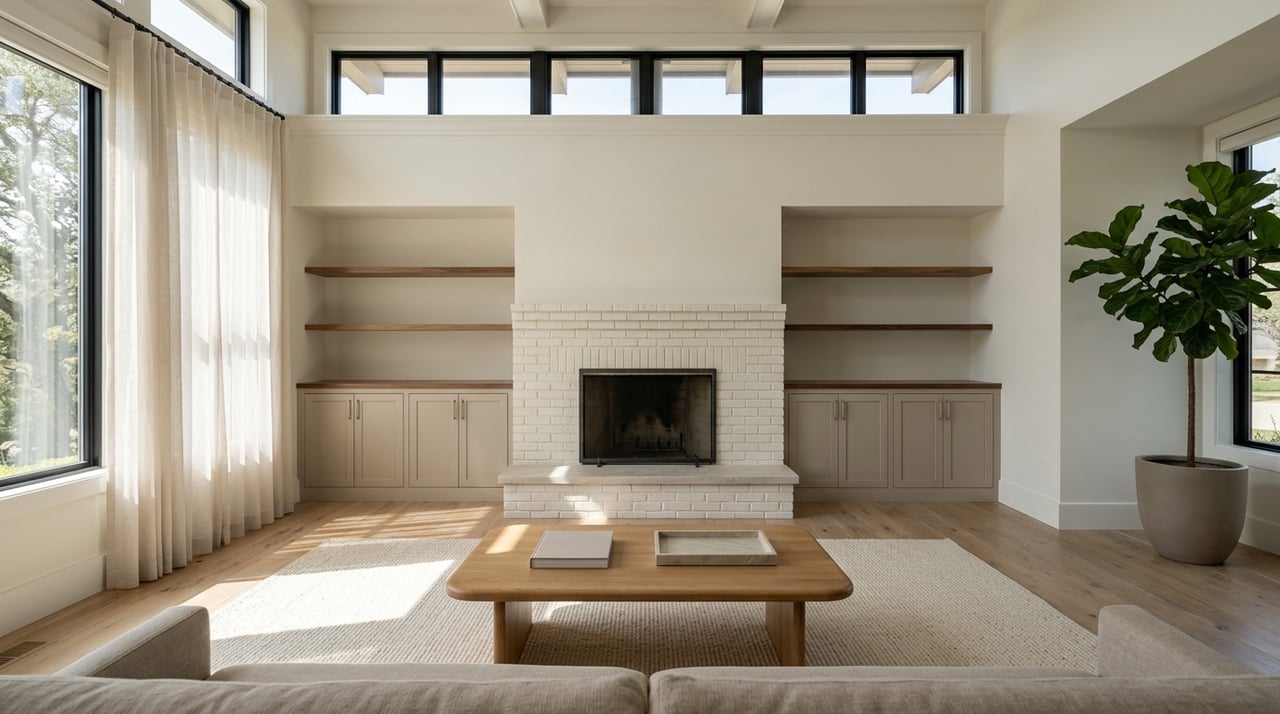
If you’re trying to decide between a brand-new home and an established one in Broken Arrow, you’re not alone. It’s one of the most common choices buyers face here, especially in a city that keeps growing while still holding onto older residential areas with long-standing appeal. The right answer depends on how you balance timeline, budget, location, upkeep, and the kind of daily living experience you want. Let’s dive in.
Why this choice matters in Broken Arrow
Broken Arrow is Oklahoma’s fourth-largest city, with an estimated 124,991 residents across about 60 square miles. The city grew 14.8% from 2010 to 2020, and planning documents show that future residential development is expected to stay concentrated mostly in the north and central parts of the city, with additional growth noted in areas like the south-central Innovation District and Forest Ridge in northeast Broken Arrow.
That growth pattern helps explain why new construction and established homes often offer very different living experiences. Newer homes are typically found on the city’s growth edges, while many older homes are closer to the downtown residential fabric, where the city’s planning documents describe a more traditional urban grid, larger lots, and limited vacant land for infill.
Where new construction is showing up
In Broken Arrow, new construction is most visible in newer-growth areas rather than in long-established residential pockets. Current builder inventory highlights communities in north and south Broken Arrow, including areas off 51st Street and around 41st Street near 145th, as well as newer phases in south Broken Arrow with subdivision-style amenities.
That does not always mean you are far from everything. Some newer communities are still within a reasonable drive of the Rose District and Downtown Tulsa, so the tradeoff is not always “new home versus convenience.” Instead, it is often about whether you prefer a newer subdivision setting or an older neighborhood pattern.
What newer neighborhoods often feel like
Newer plats in Broken Arrow can feel more standardized because the city’s detached single-family zoning districts set clear minimum lot sizes and frontage requirements. Depending on the district, minimum lot areas range from 6,500 to 8,000 square feet, with frontage standards from 55 to 70 feet.
For you as a buyer, that can translate into a more uniform streetscape and a more predictable subdivision layout. In some communities, you may also find amenities such as trails, playgrounds, pools, or clubhouses, depending on the development.
What new construction can offer you
One of the biggest advantages of new construction is that the home is built around modern expectations. National Association of Realtors consumer guidance notes benefits such as newer floor plans, lower near-term maintenance needs, more personalization, and access to builder warranties.
You may also benefit from lower utility costs. According to ENERGY STAR, certified new homes can deliver at least 10% savings on annual utility bills, along with potential improvements in comfort, durability, and maintenance costs.
Common advantages of buying new
- Modern layouts that often reflect current buyer preferences
- Less immediate repair or replacement risk for major systems
- Potential energy savings from newer standards and products
- Builder warranty coverage on certain items
- A chance to personalize finishes or features, depending on the build stage
For some buyers, those benefits create peace of mind. If you want a home that feels current from day one and you would rather avoid a long to-do list after moving in, new construction can be very appealing.
What to watch for with a new build
New homes are not automatically the better fit for every buyer. The tradeoffs usually come down to price, timing, and flexibility.
NAR guidance notes that new construction can involve a higher upfront cost, longer wait times, and special financing considerations. The Consumer Financial Protection Bureau also explains that construction loans are typically short-term and funded in draws as construction progresses.
Timeline is a major factor
If you are building from the ground up, the process often takes at least 12 to 16 months, and delays are possible. That matters if you need to move quickly, are coordinating the sale of your current home, or simply do not want uncertainty around completion dates.
That said, not every new-construction purchase requires a long wait. Some Broken Arrow communities offer move-in-ready or under-construction inventory homes, which can shorten the timeline if you want newer features without starting from scratch.
Warranties still require attention
Buyers sometimes assume a new home means no issues. In reality, warranty coverage can help, but it is still wise to stay proactive.
The Federal Trade Commission notes that many new-home warranties cover finish items such as doors, trim, drywall, paint, siding, or stucco during the first year, and some builders extend structural coverage for up to 10 years. NAR also recommends phase inspections during construction and another inspection around the 10- to 11-month mark so you can identify concerns while warranty coverage may still apply.
Where established homes stand out
Established homes are more common in Broken Arrow’s traditional residential areas, especially near the downtown pattern that city planning documents describe as stable and protected. These areas are noted for historically significant homes, larger lots, and limited vacant land suitable for infill.
For many buyers, that setting has a different kind of appeal. Instead of choosing from a newer subdivision layout, you may find homes in neighborhoods with more mature trees, a less uniform streetscape, and a stronger sense of existing place.
What established homes can offer you
According to NAR, existing homes often appeal to buyers because they can provide lower-priced options, established neighborhoods, mature landscaping, and move-in readiness. They can also offer value-add potential if you are open to cosmetic updates or remodeling over time.
In Broken Arrow, this can be especially attractive if your top priority is location or immediate occupancy. If you want to settle in sooner, or you prefer the feel of an older residential area over a newer growth-edge subdivision, established homes may line up better with your goals.
Common advantages of established homes
- More mature neighborhood setting
- Landscaping and trees that are already in place
- Potentially lower purchase price in some comparisons
- Faster move-in for buyers on a tighter timeline
- Opportunities to improve value through updates
For buyers who care more about neighborhood character and less about having every finish brand-new, established homes can offer strong long-term value.
What to watch for with established homes
The tradeoff with an older home is that you may inherit older materials, systems, or deferred maintenance. NAR notes that existing homes can bring more repair needs, higher utility bills, and less opportunity for personalization unless you plan to renovate.
That does not mean you should avoid them. It simply means you should compare the total cost of ownership, not just the list price. A lower purchase price may still come with future spending on HVAC, roofing, windows, cosmetic work, or efficiency upgrades, depending on the home.
How to compare the real cost
A smart comparison between new construction and an established home in Broken Arrow should go beyond sticker price. National housing guidance cited in the research suggests that the median resale home can sometimes cost more than the median newly built home depending on builder incentives and where construction is happening.
That is why the best comparison is usually total cost, location, and fit. You will want to think about your monthly payment, utility costs, likely maintenance, commute patterns, and how much work you are willing to take on after closing.
Questions to ask yourself
- Do you need to move soon, or can you wait through a build cycle?
- Is lower maintenance more important than a mature neighborhood feel?
- Would you rather personalize a new home or update an older one over time?
- Are energy efficiency and lower utility bills high priorities in your monthly budget?
- Do you prefer growth-edge subdivisions or established residential areas closer to downtown character?
If you answer those questions honestly, the right path usually becomes much clearer.
A simple way to choose in Broken Arrow
If you value modern systems, lower near-term maintenance, warranty coverage, and the possibility of personalizing finishes, new construction may be the stronger fit. This is especially true if you are comfortable with newer subdivision layouts and can be flexible on timing.
If you value immediate occupancy, mature surroundings, larger established lots in some areas, and the character of older neighborhood patterns, an established home may make more sense. This can be the better route if location and day-one convenience matter more to you than brand-new materials.
In Broken Arrow, neither option is automatically better. The smarter move is choosing the home type that matches how you actually want to live, not just what looks best on paper.
Whether you are weighing a new build on Broken Arrow’s growth edge or an established home in a more traditional setting, clear local guidance can make the decision much easier. If you want a thoughtful, low-pressure conversation about what fits your timeline, budget, and goals, connect with Philip Shain.
FAQs
Should buyers in Broken Arrow choose new construction for lower maintenance?
- New construction often offers lower near-term maintenance because systems, materials, and appliances are newer, but you should still review warranty terms carefully and consider inspections during and after construction.
Are established homes in Broken Arrow usually closer to older neighborhood areas?
- Established homes are more common in Broken Arrow’s traditional residential fabric, especially near the downtown area, where city planning documents describe stable neighborhoods, larger lots, and limited infill opportunities.
How long does new construction in Broken Arrow usually take?
- Consumer guidance cited in the research says building a new home typically takes at least 12 to 16 months, although some buyers can shorten the timeline by choosing under-construction or move-in-ready inventory homes.
Can a new home in Broken Arrow lower utility costs?
- Potentially, yes. ENERGY STAR says certified new homes can deliver at least 10% savings on annual utility bills, which may matter if monthly cost efficiency is a priority for you.
Do established homes in Broken Arrow cost less than new construction?
- Not always. The better comparison is total cost, location, and fit, because pricing can vary based on builder incentives, neighborhood, condition, and the type of home you are comparing.