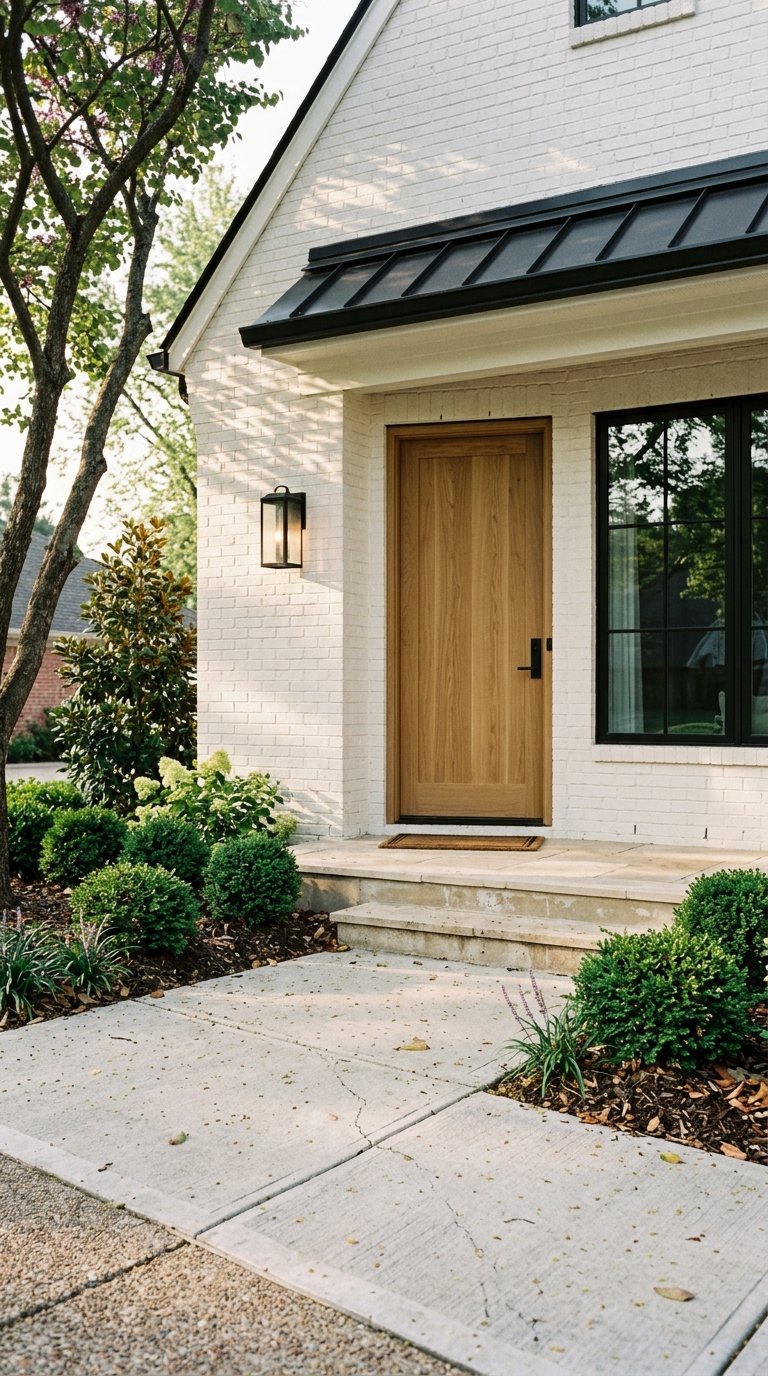
If you want suburban space without feeling cut off from the Tulsa metro, Broken Arrow stands out for a reason. You get a city with its own identity, a strong mix of parks and events, and housing options that support both first-time buyers and move-up plans. If you are wondering what daily life really feels like here, this guide will walk you through the pace, housing, recreation, and commuting realities that shape life in Broken Arrow. Let’s dive in.
Broken Arrow at a glance
Broken Arrow is the fourth largest city in Oklahoma, with an estimated 2025 population of 124,991 across about 60 square miles. The city reports growth of 14.8% from 2010 to 2020, which helps explain why so many buyers keep it on their shortlist.
From a housing perspective, Broken Arrow leans strongly toward homeownership. Census data show a 72.0% owner-occupied housing rate, a median owner-occupied home value of $250,400, a median gross rent of $1,320, and a mean commute time of 21.9 minutes.
What daily life feels like
Living in Broken Arrow tends to feel more like living in a self-contained suburban city than living in a Tulsa neighborhood. Many residents handle daily errands, dining, recreation, and community activities close to home rather than needing to leave the city for everything.
At the same time, daily life is mostly car-based. Broken Arrow has a broad arterial road network, its own street naming and numbering system, and only limited Tulsa Transit service within the city, plus an express Park & Ride connection to Downtown Tulsa.
That means convenience here usually comes from being near key destination areas instead of relying on continuous walkability. Once you learn the main roads like Kenosha, Aspen, Elm, and County Line, getting around tends to feel straightforward.
Broken Arrow housing options
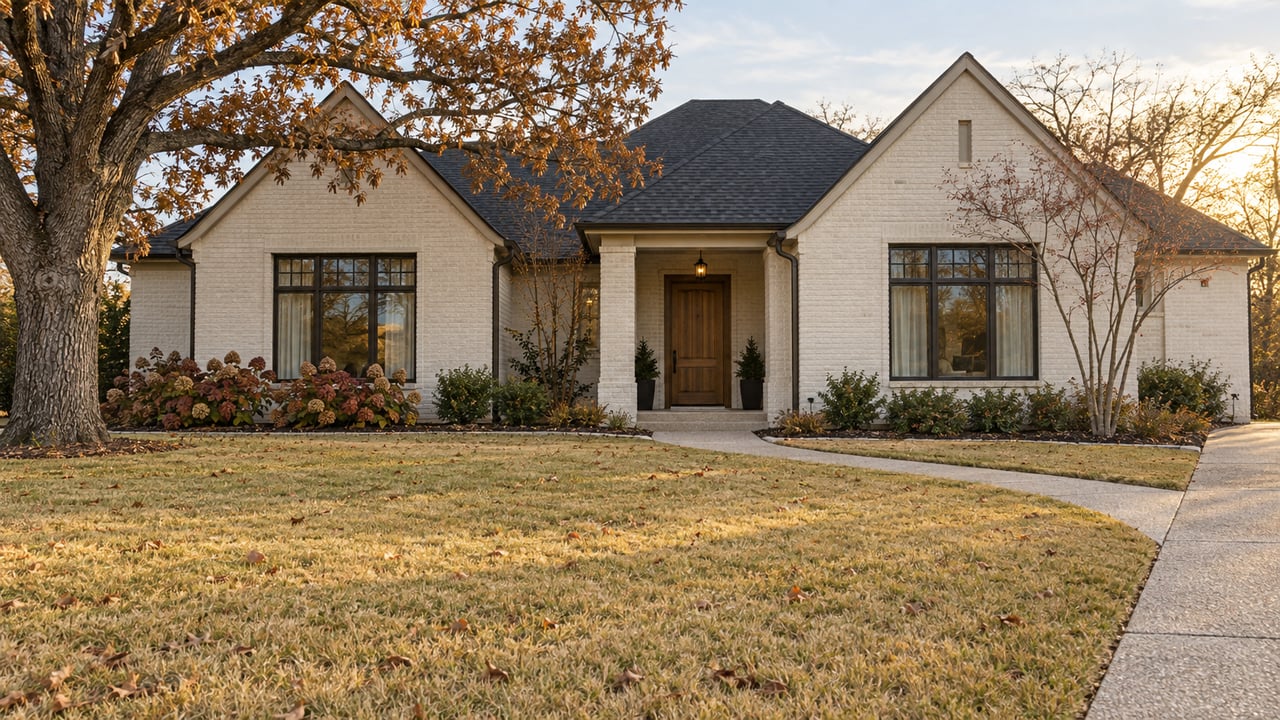
Broken Arrow offers a wider range of housing types than many buyers expect. While much of the city still reads as suburban and single-family in character, city zoning materials show residential options that include estate districts, multiple single-family districts, duplex, multi-family, and mobile-home-park districts.
In practice, that creates choices for different stages of life and budgets. You can find established single-family areas, newer subdivision patterns, and some smaller-scale higher-density housing in targeted parts of the city.
North Broken Arrow homes
North Broken Arrow is a good example of how the city is evolving. The city has highlighted newer small-lot neighborhood patterns in this area, including Ironwood near Omaha and Elm, a proposed 22-acre neighborhood with up to 84 homes, two parks, and private streets.
That project also shows how land use is shifting in some parts of the city. The site was rezoned from a more rural large-lot single-family district to an urban subdivision district that allows higher-density housing such as duplexes.
Downtown Broken Arrow homes
Downtown Broken Arrow has an older, more established residential feel. It is also the city’s main walkable core, which gives it a different lifestyle feel than many other parts of town.
Even so, the downtown planning area remains mostly single-family in character. The city’s downtown master plan says attached single-family and multi-family homes are allowed only in a small portion of the area.
South Broken Arrow homes
South Broken Arrow is closely tied to newer retail and redevelopment activity. The city says New Orleans Square is intended to become an important and sustainable hub for retail, commercial, and residential development.
City updates have also pointed to Aspen Ridge as part of that growth pattern. For buyers, that can mean newer surroundings, destination retail nearby, and a part of town that continues to change over time.
Walkability and local destinations
Broken Arrow is not an everywhere-walkable city, but it does have standout destination areas where you can enjoy a more pedestrian-friendly experience. The clearest example is the Rose District in downtown Broken Arrow.
The city describes the Rose District as its arts and entertainment district, and it has been reshaped with fewer traffic lanes, wider sidewalks, a mid-block crossing, and landscaping. If you want a place where you can stroll, visit local businesses, and plug into community events, this is one of the city’s most recognizable centers.
The Rose District Farmers Market adds to that rhythm. Located at 418 S. Main St., it began in 2003, has about 50 regular vendors, and in 2026 operates Saturdays from 8 a.m. to noon and Tuesdays from 4 to 8 p.m.
New Orleans Square is another major destination node, especially on the south side. The area around West New Orleans Street and South Elm Place is planned as a hub for retail, commercial, and residential development, with pedestrian improvements built into the overlay district.
Parks and trails shape the lifestyle
If outdoor access matters to you, Broken Arrow has a strong parks foundation. The city’s Parks and Recreation Department oversees more than 1,000 acres and 43 parks, which gives residents plenty of options for everyday recreation.
The city also runs recurring activities that help parks feel like part of local life rather than just green space. Events include Concerts in the Park, the Daddy Daughter Dance, the Mom & Son Pool Party, and Take Me Fishing Day.
Trails are another major part of the local experience. Broken Arrow has about 20.5 miles of trails citywide, including 9.5 connected miles that make up the Liberty Parkway Trail.
The Liberty Parkway Trail is the city’s main connected trail spine. According to the city, it runs about 9.5 miles from New Orleans Street near Northeastern State University to the Mingo Trail near the Creek Turnpike and Mingo Valley Expressway, creating a useful corridor for walking and biking.
Ray Harral Nature Park adds a different kind of outdoor setting. This 40-acre nature area includes 3 miles of trails, a nature center, pollinator gardens, and a suspension bridge.
East Broken Arrow’s Events Park is also becoming a larger lifestyle asset. The city says the 125-acre venue reopened in 2026 with road, parking, pedestrian bridge, walking path, and lighting upgrades tied to the future Sunset Amphitheater, while continuing to host major events such as Scotfest.
Community events bring people together
One thing that gives Broken Arrow a distinct identity is its visible community calendar. Seasonal events are not just occasional extras here. They are part of how many residents experience the city throughout the year.
The city highlights Rooster Days, the farmers market, musical performances in the park, and holiday programming as key parts of local life. Rooster Days remains one of the signature events centered around Main Street and Central Park.
During the holiday season, Christmas in Broken Arrow turns the Rose District into a gathering place with a tree-lighting ceremony, live music, carolers, food trucks, and Santa. If you value a city that creates recurring moments for residents to show up and connect, that is a meaningful part of the appeal.
Commuting to Tulsa and beyond
For many buyers, Broken Arrow works because it offers suburban living with practical access to the larger metro. The average commute time is 21.9 minutes, and the city’s road network makes regional travel manageable once you know the main routes.
Transit exists, but it is limited. Tulsa Transit provides limited service in Broken Arrow along with an express Park & Ride commuter service to Downtown Tulsa.
For most residents, though, commuting is still car-first. That setup tends to work well for people who want room to spread out at home while staying within an easy drive of Tulsa job centers, shopping, dining, and entertainment.
Who Broken Arrow tends to fit best
Broken Arrow tends to appeal to buyers who want a suburban setting with neighborhood parks, regular civic events, and enough retail and recreation to handle many errands locally. It can also be a practical choice if you want to stay connected to Tulsa without living in the center of it.
You may especially appreciate Broken Arrow if you are looking for:
- A homeownership-oriented market
- Primarily single-family housing choices
- Established neighborhoods plus newer development areas
- Strong park and trail access
- Community events throughout the year
- A car-friendly suburban layout with Tulsa access
That does not mean every part of the city feels the same. Downtown, north Broken Arrow, and south Broken Arrow each offer a slightly different mix of housing, pace, and nearby destinations.
What to keep in mind before moving
Broken Arrow offers a lot of suburban advantages, but it helps to go in with clear expectations. If you want daily life built around short walks to everything, only a few parts of the city will offer that feel.
If you are comfortable with a drive-first lifestyle, the tradeoff may be more space, more parks, and a broader range of neighborhood styles. Your experience will depend a lot on which part of Broken Arrow you choose and how close you want to be to trails, event districts, retail nodes, or Tulsa commute routes.
If you are considering a move to Broken Arrow, the best next step is to match your priorities to the part of the city that fits them best. If you want help comparing neighborhoods, timing a move, or understanding where today’s opportunities are, Philip Shain offers thoughtful, local guidance across Broken Arrow and the greater Tulsa metro.
FAQs
What is Broken Arrow like for everyday living?
- Broken Arrow feels like a self-contained suburban city with a car-based layout, local retail and recreation hubs, and an active calendar of parks and community events.
What types of homes are common in Broken Arrow?
- Broken Arrow is mostly single-family in character, but city zoning also allows a broader mix that includes duplex, multi-family, and other residential formats in certain areas.
What part of Broken Arrow is most walkable?
- The Rose District in downtown Broken Arrow is the city’s best-known walkable area, with pedestrian-focused improvements, local businesses, and community events.
Are there good parks and trails in Broken Arrow?
- Yes. The city oversees more than 1,000 acres and 43 parks, plus about 20.5 miles of trails, including the 9.5-mile Liberty Parkway Trail and the trails at Ray Harral Nature Park.
Is Broken Arrow a good option for commuting to Tulsa?
- For many residents, yes. The mean commute time is 21.9 minutes, and while transit service is limited, road access to Tulsa and the rest of the metro is generally straightforward.
Is Broken Arrow more urban or suburban?
- Broken Arrow is primarily suburban, with destination-based walkable areas like the Rose District rather than a fully urban, continuous walkable environment.